Common problems with seasonal garden maintenance in Brent Cross
Seasonal garden care sounds simple enough on paper. Spring tidy-up, summer mowing, autumn leaf clear-up, winter protection. Easy, right? In practice, the common problems with seasonal garden maintenance in Brent Cross tend to appear at exactly the worst moment: when weather shifts quickly, jobs pile up, and the garden has other ideas. One week the borders are too wet to work, the next week the grass has taken off like it has something to prove.
If you maintain a garden in Brent Cross, you are dealing with a very normal London mix of shade, wind, compacted soil, paved areas, and the occasional neglected corner that seems to grow faster than the rest. This guide breaks down the real issues people run into, why they matter, and how to handle them without wasting time or money. It also shows where services like garden maintenance, lawn mowing, and hedge trimming fit into the picture when seasonal work becomes more than a weekend job.
The short version? Seasonal garden care is less about doing everything at once and more about knowing what usually goes wrong before it goes wrong.
Why Common problems with seasonal garden maintenance in Brent Cross Matters
The main reason this topic matters is that seasonal maintenance is never just cosmetic. If the garden is left too long between jobs, small issues become awkward ones. Grass gets patchy. Hedges become overgrown and harder to shape neatly. Leaves block drainage. Beds get compacted. Then, when the weather turns, you are not just catching up; you are recovering damage.
In Brent Cross, that matters even more because urban gardens often have limited space and less margin for error. A small front garden with one mature shrub can look fine for months, then suddenly feel crowded and untidy because the boundary hedge has gone wild. A back garden with paving and turf can collect debris quickly, especially after wet and windy spells. Let's face it, London weather can be a bit rude about timing.
For homeowners, landlords, property managers, and anyone keeping outdoor space presentable, seasonal maintenance is partly about appearance and partly about preventing avoidable work later. A sensible routine can also support safer pathways, healthier turf, better airflow around plants, and less stress when guests, tenants, or family are due to use the space.
It also helps you plan the right type of support. For example, heavier clear-ups may be better handled through garden clearance, while more ongoing upkeep fits a structured maintenance service. The difference sounds small, but it usually saves time and frustration.
Expert summary: Most seasonal garden problems in Brent Cross are not caused by one big failure. They are caused by missed timing, poor preparation, and trying to do too much while the garden is either too wet, too dry, or too overgrown.
How Common problems with seasonal garden maintenance in Brent Cross Works
Seasonal maintenance works best when you treat the garden like a living system rather than a list of chores. Each season brings its own pressure points. Spring asks for renewal. Summer asks for consistency. Autumn asks for clearing and preparation. Winter asks for protection and restraint. The problem is that the garden does not wait politely for the calendar to catch up.
In Brent Cross, the real challenge is often timing. Soil may stay wet after rain, which makes heavy mowing or border work messy. Hedges can shoot up quickly in mild periods. Fallen leaves and twigs can create slippery surfaces around patios, paths, and decking. And if your garden includes mature trees, the seasonal load can increase very quickly after wind or stormy weather. In those cases, professional help with tree lopping and removal may be needed where safety or structural risk is involved.
A good seasonal system usually includes:
- checking what has changed since the last visit
- matching tasks to soil and weather conditions
- prioritising safety and access first
- handling growth control before cosmetic detail
- leaving the garden ready for the next weather shift
That order matters. Too many people start with fine detail and then realise the lawn is too long, the hedge line is uneven, and half the debris still needs to be moved. Bit frustrating, honestly.
Key Benefits and Practical Advantages
When seasonal maintenance is managed properly, the benefits show up in ways that are easy to underestimate until they are gone.
- Less catch-up work: Regular jobs stay manageable instead of turning into a huge one-off project.
- Better plant health: Pruning, feeding, watering, and mulching can be timed more effectively.
- Improved safety: Clear paths, tidier edges, and controlled tree or hedge growth reduce trip and visibility issues.
- Better kerb appeal: A tidy, well-kept garden makes a property look cared for, even in a small space.
- Lower repair risk: Debris, poor drainage, and overcrowding are easier to spot early.
- More predictable costs: Preventive work tends to be easier to budget for than emergency tidying.
There is also a quieter benefit: less mental clutter. If you know the garden is under control, the whole house feels a bit calmer. You notice it on a Tuesday morning, when the lawn looks even and the borders are not demanding attention. Small thing, but it counts.
For households with pets, children, or regular visitors, the practical advantages are even clearer. Seasonal upkeep helps you keep the space usable rather than merely decorative. And if the garden includes features like timber structures or outdoor surfaces, it may make sense to pair maintenance with decking services or broader landscaping improvements where wear and layout issues are recurring.
Who This Is For and When It Makes Sense
This matters for more people than you might think. Seasonal maintenance is not only for large gardens or people who are picky about perfection. In fact, the smaller the garden, the more visible the problems tend to be. One untidy hedge can dominate the view from the kitchen window.
It is especially relevant if you are:
- a homeowner trying to keep up with a busy work schedule
- a landlord or letting agent responsible for outdoor presentation
- an older resident who prefers reliable help with heavier jobs
- a family balancing play space, planting, and easy access
- someone returning to a garden after a long period of neglect
- planning a refresh before selling, renting, or hosting guests
It also makes sense when the garden has mixed needs. For example, a lawn may need light but regular mowing while hedges need only periodic cutting and trees require seasonal checks. That mix is exactly where people get stuck. One part of the garden is easy. Another part is awkward. Then the whole thing gets delayed.
If you are unsure where to begin, a structured overview from services overview can help you identify whether you need routine care, a deeper reset, or a combination of both.
Step-by-Step Guidance
A practical seasonal approach is easier to follow than a vague "sort the garden out" plan. Here is a simple sequence that works well for most Brent Cross gardens.
- Inspect the garden properly. Walk the space and look for blocked drains, damaged edging, overgrowth, moss, bare patches, and anything unstable.
- Clear obvious debris first. Remove branches, leaves, litter, and cuttings before trying to mow or trim. Otherwise you just spread the mess around.
- Deal with safety issues. Fix slippery paths, low branches, broken pots, loose slabs, or anything that could cause an accident.
- Match the task to the season. In spring, focus on waking up the garden. In summer, maintain control. In autumn, clear and prepare. In winter, reduce exposure and protect vulnerable plants.
- Work from the outside in. Boundaries, hedges, and tree lines often need attention before the centre lawn or planting beds.
- Finish with shape and detail. Once the heavy work is done, refine the edges, mow, sweep, and neaten the presentation.
A lot of people skip the inspection and jump straight to mowing. That is how hidden problems get missed. A hidden drain cover under leaves is not just annoying; it can wreck a tidy-up in two minutes flat.
If the area is badly tangled or overdue a reset, it may be more efficient to combine routine care with garden clearance. That tends to be especially useful after long wet spells, a holiday absence, or the first spring visit after winter neglect.
Expert Tips for Better Results
There are a few habits that make seasonal maintenance noticeably easier. They are not glamorous, but they work.
- Do not fight the weather. Wet ground, icy steps, and brittle frost all change how you should work. Sometimes the best decision is waiting a day.
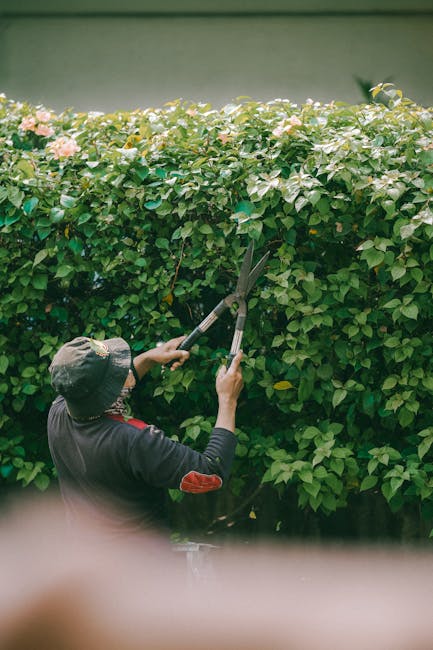
- Keep cuts light and regular. A little hedge trimming done at the right time is much easier than wrestling with woody, overgrown growth later.
- Make space for airflow. Dense planting and packed borders can hold damp and encourage disease. Opening things up a bit helps more than people expect.
- Watch the lawn edges. Uneven edges make the whole garden look unfinished, even if the rest is tidy.
- Use the first ten minutes wisely. Set out waste bags, rake, shears, gloves, and cutting tools before starting. It sounds basic, but it saves repeated trips.
- Think in layers. Start with clear-up, then structural cuts, then surface finish. That order keeps the job under control.
If your garden has mature shrubs or a boundary hedge that seems to explode each season, a regular trimming rhythm is usually better than one aggressive cut. It keeps the shape cleaner and reduces stress on the plant. That is the general rule, anyway, unless a particular species or situation calls for something different.
Also, be realistic about time. A tidy-looking garden can hide a lot of work underneath. One Saturday afternoon can disappear faster than a biscuit tin in an office kitchen. Been there.
Common Mistakes to Avoid
The most common problems with seasonal garden maintenance in Brent Cross are often made worse by avoidable mistakes. A few are especially common.
- Leaving everything until the season changes. By then, the growth or debris has usually built up.
- Cutting too much at once. Heavy pruning or over-trimming can leave plants stressed and patchy.
- Mowing when the lawn is too wet or too long. This can tear grass, leave ruts, and clog equipment.
- Ignoring drainage or drainage-like symptoms. If water sits in the same place repeatedly, clearing the leaves alone will not solve it.
- Forgetting the edges and corners. Those areas are the first to look neglected.
- Assuming every season needs the same routine. It does not. Summer maintenance and winter prep are very different jobs.
One of the sneakiest errors is trying to make a tired garden look tidy with only surface work. A quick sweep can improve things, sure, but if the underlying issue is overgrowth, compacted soil, or poor access, the same problems will be back next week.
Another mistake? Treating heavy seasonal work as a "later" problem. Later usually arrives with rain, wind, and a lot more leaves.
Tools, Resources and Recommendations
You do not need a huge kit to manage seasonal upkeep well. In many Brent Cross gardens, the right basics are enough. What matters is having the correct tool for the job and keeping it in decent condition.
| Task | Useful approach | Common pitfall |
|---|---|---|
| Lawn care | Regular cutting with sharp blades and sensible height control | Cutting too short or mowing wet grass |
| Hedge maintenance | Light, regular shaping with careful boundary checks | Overcutting or leaving it until woody growth develops |
| Leaf and debris removal | Raking, sweeping, bagging, and moving from dry to wet zones carefully | Spreading debris into drains or across paths |
| Border maintenance | Weeding, edging, and mulching where appropriate | Disturbing soil repeatedly without improving structure |
| Tree and large shrub management | Assessment first, then selective cutting or removal if needed | Trying to manage safety issues with improvised ladder work |
Useful recommendations usually include:
- sharp hand shears for precise trimming
- a reliable mower suited to your lawn size
- gloves that actually fit and protect well
- a rake or leaf collector for autumn work
- bin bags or reusable waste sacks for green waste
- basic edging tools for keeping borders crisp
If the main issue is simply keeping on top of the workload, the smartest resource may be a reliable scheduled service rather than more equipment. In that case, asking about pricing and quotes can be a practical next step. And if sustainability matters to you, look at recycling and sustainability so you know how cuttings and garden waste are handled.
Law, Compliance, Standards, or Best Practice
For most domestic garden maintenance in Brent Cross, the biggest compliance questions are about safety, waste handling, and neighbourly care rather than anything overly complicated. You do not usually need a legal deep dive to keep a normal garden in order, but good practice still matters.
A few common expectations apply:
- Work safely at height. Tree, hedge, and boundary work should not rely on risky ladder habits.
- Handle waste responsibly. Cuttings, branches, and debris should be collected and disposed of properly, not dumped in hidden corners.
- Respect access and boundaries. Overhanging growth, shared fences, and side passages need care and clear communication.
- Use insured, competent help for higher-risk work. This is especially relevant for larger trees, heavy branches, or work near structures.
It is also sensible to choose providers who are transparent about safety and business practices. Pages such as insurance and safety, health and safety policy, and about us can help build confidence before you book anything.
For most readers, the practical rule is simple: if a job looks awkward, elevated, heavy, or uncertain, treat it as a safety question first and a tidy-up question second. That mindset saves trouble.
Options, Methods, or Comparison Table
There is more than one way to deal with seasonal garden problems. The best choice depends on time, budget, garden size, and how far things have slipped. Here is a useful comparison.
| Method | Best for | Pros | Trade-offs |
|---|---|---|---|
| DIY seasonal upkeep | Small to medium gardens, light growth, regular attention | Lower immediate cost, flexible timing, full control | Can become time-consuming, physically demanding, and easy to delay |
| One-off tidy-up | Gardens that have been neglected or need a reset | Fast visual improvement, good for catching up | May not solve ongoing maintenance issues |
| Scheduled maintenance | Busy households, landlords, and gardens that need consistency | Better long-term control, easier planning, fewer surprises | Requires a regular commitment |
| Specialist support | Hedges, trees, access issues, complex or heavier jobs | More suitable for technical or risky tasks | Usually best used alongside routine upkeep |
In many real situations, the best answer is a blend. A homeowner may handle light weekly tasks while booking professional support for the awkward seasonal jobs. That is not a cop-out. It is practical.
If your garden has broader layout or usability issues, you may want to pair maintenance with landscape gardening or even fuller landscaping work so the space is easier to look after in the first place.
Case Study or Real-World Example
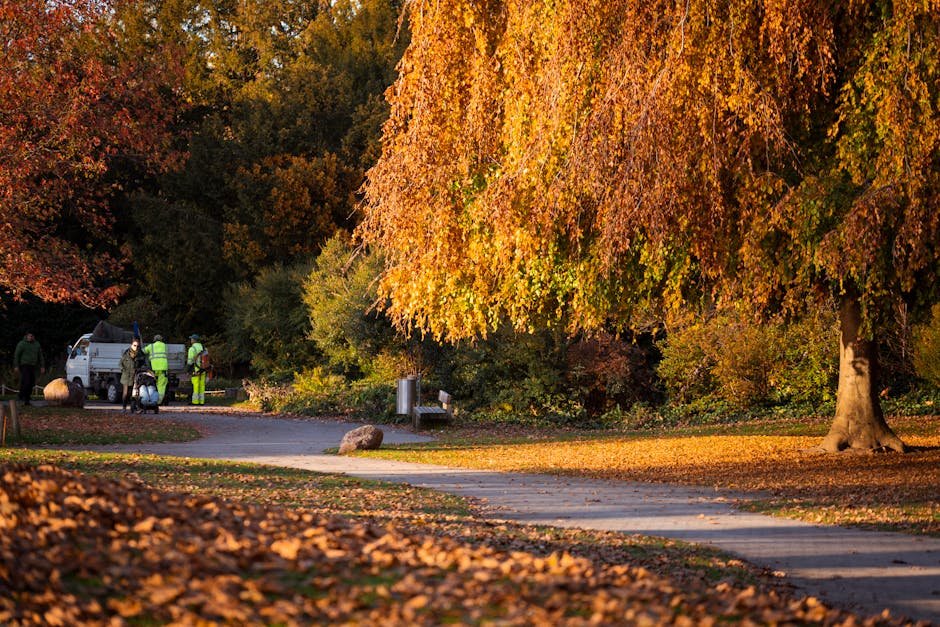
Imagine a typical Brent Cross back garden after a damp autumn. Nothing dramatic at first glance, just a lawn that has gone a bit soft, a hedge that has crept outward, and a small pile of leaves gathering near the fence. The owner keeps meaning to "do it next weekend." Then another wet spell arrives. The leaves get heavier. The path gets slick. The hedge feels even more awkward to cut back cleanly.
At that point, the issue is no longer the hedge alone. It is the whole seasonal pattern. The garden looks like it needs one simple tidy-up, but the real work is sequencing: clear debris, assess the lawn, cut back boundary growth, and only then finish the visible surfaces. If there are larger branches or awkward overhanging sections, a targeted tree service may be the safest part of the plan.
What usually surprises people is how much better the garden feels after the hidden stuff is dealt with. A clear path, a corrected hedge line, and a lawn cut at the right height can completely change how the space is used. The garden is still the same size, of course, but it stops feeling like a chore.
That is the real lesson here: seasonal maintenance works best when it solves the garden's actual bottleneck, not just the bit that looks messy from the window.
Practical Checklist
Use this checklist at the start of each season. It is simple, but it catches a lot.
- Walk the garden and note what has changed since the last visit
- Check for blocked drainage, standing water, or slippery surfaces
- Remove leaves, twigs, litter, and loose debris
- Inspect the lawn for patchiness, moss, or compaction
- Trim hedges lightly before they become difficult to shape
- Look for overhanging branches or unsafe growth near paths and structures
- Clear borders and edges so the garden reads as tidy, not just "mostly tidy"
- Sort green waste disposal before you start, not after
- Decide what can be handled in-house and what needs specialist help
- Schedule the next maintenance check before the garden slips again
If you want the work handled with less guesswork, start by reviewing the site's main service overview and then compare it with your current garden condition. That usually makes the decision easier than trying to solve everything in one go.
Get a free quote today and see how much you can save.
Conclusion
The common problems with seasonal garden maintenance in Brent Cross usually come down to timing, weather, access, and workload. None of that is unusual. It is simply what happens when a living outdoor space meets a busy real-life schedule. The good news is that most seasonal problems are manageable once you know what to watch for and what order to tackle things in.
Start with the essentials: clear the debris, check the boundaries, protect the lawn, and pay attention to safety. Then build a rhythm that suits your garden rather than forcing a one-size-fits-all routine. That approach keeps the work lighter, the space tidier, and the whole process a lot less stressful.
If the job feels bigger than a normal tidy-up, or if you are dealing with repeated overgrowth, blocked access, or heavy waste, there is no harm in getting support. Sometimes the smartest maintenance decision is not doing more yourself. It is doing the right things at the right time.
And honestly, that is what a good garden usually needs: not perfection, just steady care and a bit of respect for the seasons.
Frequently Asked Questions
What are the most common seasonal garden maintenance problems in Brent Cross?
The most common issues are overgrowth, leaf build-up, wet lawns, blocked paths, uneven hedge lines, and jobs piling up because the weather has made it hard to keep a steady routine.
Why do gardens in Brent Cross need seasonal maintenance more often than people expect?
Because London gardens can change quickly with damp weather, mild spells, and patchy sun. Even a small garden can shift from tidy to messy surprisingly fast if it is not checked regularly.
Is it better to do seasonal maintenance myself or hire help?
If the garden is small and the work is light, DIY can be fine. If the garden has heavy debris, tall hedges, tree work, or repeated catch-up jobs, professional help is usually the more practical option.
What season is usually the hardest for garden maintenance?
Autumn and winter often create the most problems because of leaf fall, wet surfaces, and storm damage. Spring can also be busy because everything starts growing at once.
How often should hedge trimming be done?
That depends on the hedge type and how quickly it grows, but many gardens benefit from light, regular trimming rather than one large cut after long delays.
When is garden clearance better than routine maintenance?
Garden clearance makes more sense when the garden is heavily overgrown, full of debris, or has not been maintained for a while. Routine maintenance is better for keeping an already-managed garden under control.
Can seasonal maintenance help with lawn health?
Yes. Regular mowing, clearing debris, reducing compaction where possible, and avoiding wet-ground damage can all improve how the lawn looks and recovers through the year.
What should I do if I notice unsafe tree branches?
Do not try to handle risky branches casually. If branches are large, high, or near a structure, it is safer to get assessed support and consider professional tree lopping and removal where appropriate.
How do I know if my garden needs landscaping rather than just maintenance?
If the space is awkward to use, poorly laid out, badly draining, or hard to maintain no matter how often you tidy it, broader landscaping or landscape gardening may be the better long-term fix.
What is the biggest mistake people make with seasonal garden care?
Waiting too long. The second biggest mistake is trying to rush through heavy work after the garden has already become difficult to manage.
Do I need to worry about safety and insurance for garden work?
Yes, especially for heavier jobs, work at height, or tree-related tasks. It is sensible to check that any provider has clear safety practices and appropriate insurance before work begins.
Where should I start if my garden feels overwhelming?
Start with a walk-through, remove obvious debris, and identify the jobs that affect access and safety first. If the space is still too much to handle comfortably, a structured maintenance plan or a one-off reset is often the easiest next step.