Hedge Trimming in Brent Cross
We provide hedge trimming in Brent Cross for domestic gardens and managed outdoor spaces that need a neat, balanced finish through the growing season. Our service is built around careful shaping, controlled reduction and tidy removal of clippings, so the work supports both appearance and healthy regrowth. Whether you need light maintenance for a frontage hedge or more involved cutting back to restore a formal line, the aim is a clean result that suits the plant and the setting.
Regular hedge care is about more than appearance. It helps keep boundaries clear, prevents overhang onto paths and drives, and avoids a hedge becoming patchy or uneven after a long gap between cuts. We work with common hedge forms in the local area, from compact garden edges to taller screening hedges that need more measured attention. If you are comparing options, start with what the hedge needs now, then choose the level of trimming that matches its growth and your preferred finish.
Our approach is practical and straightforward: assess the shape, trim with control, and leave the site tidy once the work is complete. Where a hedge has become dense, we can reduce bulk gradually rather than forcing an abrupt change that leaves bare sections exposed. Clean lines, even height and sensible cutting matter just as much as speed, particularly on visible front gardens and shared boundaries. For a quotation, you can send the details of the hedge and the access available, or use the relevant enquiry page if you prefer to outline the job in writing.
Hedge Cutting and Shaping
Trimming is not a single action; the method depends on the hedge type, its vigour and the finish you want. Some hedges benefit from a light, frequent cut to stay crisp, while others do better with a fuller seasonal tidy that restores a defined profile. We can work to a straight formal line, a softer natural shape or a managed reduction that keeps the hedge within its intended size. The right decision usually comes from balancing appearance, plant health and the practical limits of the space.
When shaping, the outer surface of the hedge is kept even so the finished face looks consistent from end to end. That matters on boundaries that frame a garden or mark the front of a property, because uneven edges and missed sections become obvious at once. If the hedge includes mixed growth or awkward corners, trimming may need to be varied rather than uniform. We focus on making the whole line read properly, rather than simply cutting everything to the same depth.
Useful information for a quotation is simple and often enough to avoid unnecessary back-and-forth. Measure roughly if you can, note whether the hedge is on one side or both sides, and mention any obstacles such as walls, fences, steps or narrow access. A few clear photos can help describe height and thickness, especially where the hedge has multiple sections. If you already know the finish you want, say so early; if not, we can discuss the most suitable option once the basic details are clear.
Overgrown Hedge Reduction

Some hedges need more than routine tidying. When growth has extended well beyond the intended line, trimming has to be planned with care so the hedge can be brought back under control without leaving it thin or uneven. A reduction can be a sensible way to recover shape, improve access and stop a hedge from encroaching on nearby areas. The exact method depends on how far it has grown, the species involved and how much change the plant can tolerate in one visit.
We do not treat every overgrown hedge the same way. Dense evergreen hedges often need gradual reduction rather than drastic cutting, while faster-growing types may respond well to a more decisive tidy if the structure is sound. The key is to avoid poor results that look clipped in a rush. A measured approach gives a better chance of retaining coverage while improving order and light. Where the hedge is especially large or awkwardly placed, the job may also need extra time for safe working and clearing.
There are some useful limits to understand before deciding how much to cut. If a hedge has old bare wood, long-neglected sections or mixed species along the same run, not every part will respond in the same way. That is normal and should be accounted for in the plan. A realistic quotation usually reflects the amount of work needed to reshape the hedge properly, rather than just the visible top line. For a clear price, please request a quotation with the hedge dimensions and any access notes.
Garden Boundary and Frontage Hedges
Boundary hedges do useful work, but they only stay effective when they are maintained to the right size and shape. A hedge that marks a garden edge or fronts a property needs trimming that respects the line of the boundary while keeping the top and sides controlled. That can mean keeping height consistent along the whole run, easing out bulges, or re-establishing a clean edge where plants have spread into paths or neighbouring space.
Frontage hedges often need a more visible finish because they are seen from the road, pavement or entrance approach. In those cases, the work is as much about proportion as cutting. Too much removal can make the hedge look sparse, while too little leaves it untidy and heavy. We aim for a result that sits naturally with the property, with attention to corners, returns and transitions between sections. If there are gates, letterboxes or access points in the hedge line, these are handled so the finished boundary still works in practice.
For many boundary jobs, the best outcome comes from matching the trimming schedule to the hedge’s growth rate. Slower-growing hedges may only need occasional maintenance, while faster-growing varieties benefit from more regular attention to preserve a sharp outline. If you are planning work alongside other garden tasks, it is often helpful to identify what matters most first: the height, the width, or the overall presentation. Our services overview can help you see how hedge trimming fits with the wider outdoor maintenance options available.
Commercial Grounds and Shared Spaces
Hedge trimming for commercial or shared spaces needs a tidy result without causing unnecessary disruption. Entrance hedges, side boundaries and screening planting all benefit from controlled cutting, especially where appearance affects the impression of the site. We can work on hedges that frame access routes, mark car park edges or separate outdoor areas, always keeping the cut consistent and the working area as orderly as possible. The outcome should feel maintained, not merely shortened.
On managed premises, the practical details matter. Access windows, pedestrian movement and nearby planting all affect how the job is carried out. Where hedges are adjacent to paving, railings or structural features, the trimming must be careful enough to avoid damage while still producing a neat line. Some sites need a lighter touch to preserve screening, while others need a firmer cut to restore shape. The best choice depends on what the hedge is meant to do on the site.
If you are arranging work for a shared property, it helps to note who needs the result to be seen by, whether it is residents, visitors or staff. That makes it easier to judge whether a conservative tidy or a fuller reshape is more suitable. You can also combine hedge trimming with other garden maintenance if the wider space needs attention at the same time. For jobs where a quotation is required, the pricing and quotes page is a useful place to start.
Trimming Methods and Finishing Details
Different hedges need different finishing methods, and the result should reflect the plant’s structure rather than a one-size-fits-all cut. Some jobs call for detailed top and side shaping, while others need a steadier reduction to restore the hedge line. A good finish leaves the hedge looking intentional, with clean edges and no obvious patches where the cut was too deep on one section and too light on another. That balance matters just as much as removing growth.
We also consider how the hedge will look after the new growth starts to come through. A well-trimmed hedge should keep its outline for a reasonable period, not collapse into awkward unevenness soon after the work is done. On denser hedges, thoughtful trimming helps the light reach deeper into the plant and supports a more even surface over time. Where the hedge is part of a formal design, precision becomes especially important, because the line is part of the garden’s overall structure.
Some customers want a straightforward tidy, while others prefer a stronger reshaping that improves balance over several visits. Both are valid, but they are not the same job. If you are unsure which approach suits the hedge, it is sensible to think about its current condition and how much change you want to see immediately. That discussion can then lead to a clearer scope and a more accurate quotation. A concise description of the hedge, plus a few photographs, often gives enough detail to get the process moving.
Clipping Removal and Site Tidiness
Once trimming is complete, the work is not really finished until the clippings are gathered and the area is left tidy. Hedge cuttings can make paths slippery, hide edges and scatter through borders if they are not cleared properly. We remove the resulting waste and leave the working area in a neat condition, which is especially important near entrances, lawns and paved routes. A tidy finish helps the hedge work read better in the landscape as a whole.
Clipping volume can vary a great deal. A light maintenance cut may produce only a modest amount of waste, while a reduction on a thick or neglected hedge can leave a substantial pile to collect and load. That is one reason why hedge work is best quoted on the actual job rather than on appearance alone. The amount of material, the access for removal and the size of the hedge all play a part. Clear information at the outset makes it easier to match the service to the task.
There are also sensible preparations that can help the visit go smoothly without turning the process into a long checklist. If you can move parked vehicles, make gates accessible and mention any fragile planting near the hedge, that usually gives enough room to work carefully. For a fuller description of the service range, you can also visit our hedge trimming page, which sits alongside the main maintenance work described here.
About Brent Cross
Brent Cross is a district in north-west London best known today for its large retail and transport links, but its history reaches back far beyond the modern shopping centre. The name is associated with the old crossing point over the River Brent, and the river still gives the area a strong geographical identity. In broader local history, the landscape was once part of the countryside and villages that lay beyond the old London boundary, before suburban growth changed the character of the district during the twentieth century. That shift is still visible in the way larger roads, rail connections and later development sit beside older patterns of movement and land use. The area is commonly linked with Hendon and Cricklewood, and its identity is shaped as much by movement through it as by a single historic centre.
Garden Maintenance for Ongoing Hedge Care
Hedge trimming often works best as part of a wider maintenance routine rather than as an isolated task. If a garden has several planted borders, lawns and boundary lines to keep in order, a planned maintenance approach can help the whole space stay balanced. We support hedge care alongside broader garden upkeep, which means the trimming can sit neatly with mowing, clearance or other seasonal outdoor work. That is useful when the hedge is only one element of a larger tidy-up.
When hedges are maintained regularly, the job is usually simpler and the finish more consistent. The hedge is less likely to become too wide, too tall or difficult to shape in one visit. For many properties, the decision is not whether to trim at all, but how often the hedge should be brought back into line. Some owners prefer a light maintenance cut several times through the year; others only want a more noticeable reshape when growth starts to dominate the space. Either way, the work should be proportionate to the hedge’s condition.
Our garden maintenance service is a sensible option where the hedge forms part of a wider care plan, and it can be considered alongside other outdoor tasks if the garden needs more than one type of attention. If you already know the hedge dimensions, the access arrangements and the finish you want, the next step is simple: ask for a quotation and outline the job clearly so the scope can be matched to your requirements.
Service Scope, Options and Quotation Details
Hedge trimming can cover a range of jobs, from a light tidy on a smaller garden hedge to a more involved reduction on a dense boundary run. The scope is shaped by the hedge’s height, width, current condition and the result you want to achieve. Some customers need a strict, formal line; others need a more forgiving shape that sits naturally in the garden. The more clearly the brief is defined, the easier it is to recommend a suitable approach.
Quotation details are usually straightforward. It helps to identify the hedge type if you know it, the approximate dimensions, whether both sides need trimming, and whether there are awkward access points or obstructions. If the hedge is mixed with climbing plants, faces a wall, or runs alongside a boundary fence, that can influence the time required and the method used. We keep the discussion focused on the actual work, so the estimate reflects the hedge rather than an assumed standard job.
The most useful enquiries are often concise but specific. A short note about what needs cutting, what should stay in place and when you would like the work considered is usually enough to start. If you want hedge trimming as a one-off or as part of recurring garden care, say so plainly. That helps shape the service properly and avoids confusion later on. For the clearest next step, contact us for a quotation using the available enquiry route and include the hedge details you already have.
Other Outdoor Services
While hedge trimming is our main focus here, it is often part of a broader outdoor maintenance plan. Some gardens benefit from more than one kind of work at the same time, especially when borders have become untidy or the lawn and shrubs need attention as well. Where suitable, we can discuss related services so the space is treated as a whole rather than as a series of disconnected tasks. That can help create a more settled, coherent finish across the garden.
Related services may include lawn care, garden clearance, landscaping or structural timber work where those pages are relevant to the property and the required outcome. The exact mix depends on what the garden needs and what you want to prioritise. If the hedge is the main concern, there is no need to add unnecessary extras; equally, if the wider garden needs improvement, combining tasks can make practical sense. The important point is that the scope remains clear and supported by the work actually requested.
To see how the different services fit together, you can review the wider options available through our landscaping service and decide whether the hedge work stands alone or should form part of a larger plan. If you are ready to move forward, the final step is simple: send your details and request a quotation today.
Hedge Trimming and Garden Clearance
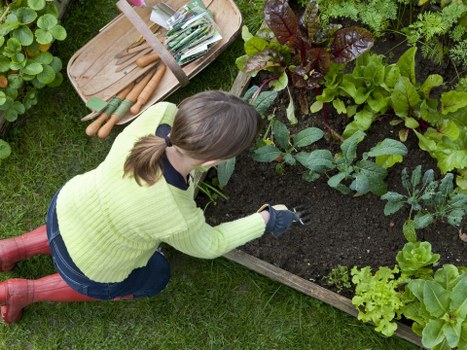
When hedges have been left to grow for a while, trimming may uncover a need for additional clearance around the base or along the adjoining boundary. Fallen twigs, old cuttings and general garden debris can make the area feel less orderly, even after the hedge itself has been shaped. That is why hedge work and clearance often sit comfortably together. The trimming restores the line, while the clearance helps the whole area look properly finished.
In practical terms, this can be helpful where a hedge sits behind beds, alongside fences or close to paths that have gathered plant material over time. Clearing away loose waste improves access for future maintenance and leaves the hedge easier to inspect next time. It can also make it simpler to see where the real boundary line sits, which is useful when the hedge has drifted outward and the surrounding space has become cluttered. If the hedge is only part of the issue, think about the wider area before you choose the service.
For that reason, some customers compare hedge trimming with garden clearance before deciding how much work is needed in one visit. That page is useful if the hedge sits within a larger untidy area that also needs sorting. If you would like the hedge assessed on its own, or as part of a more complete outdoor tidy-up, please send the details and ask for a quotation when you are ready.